Throne Travel
A full service travel agency
(563) 323-0889
A full service travel agency
(563) 323-0889

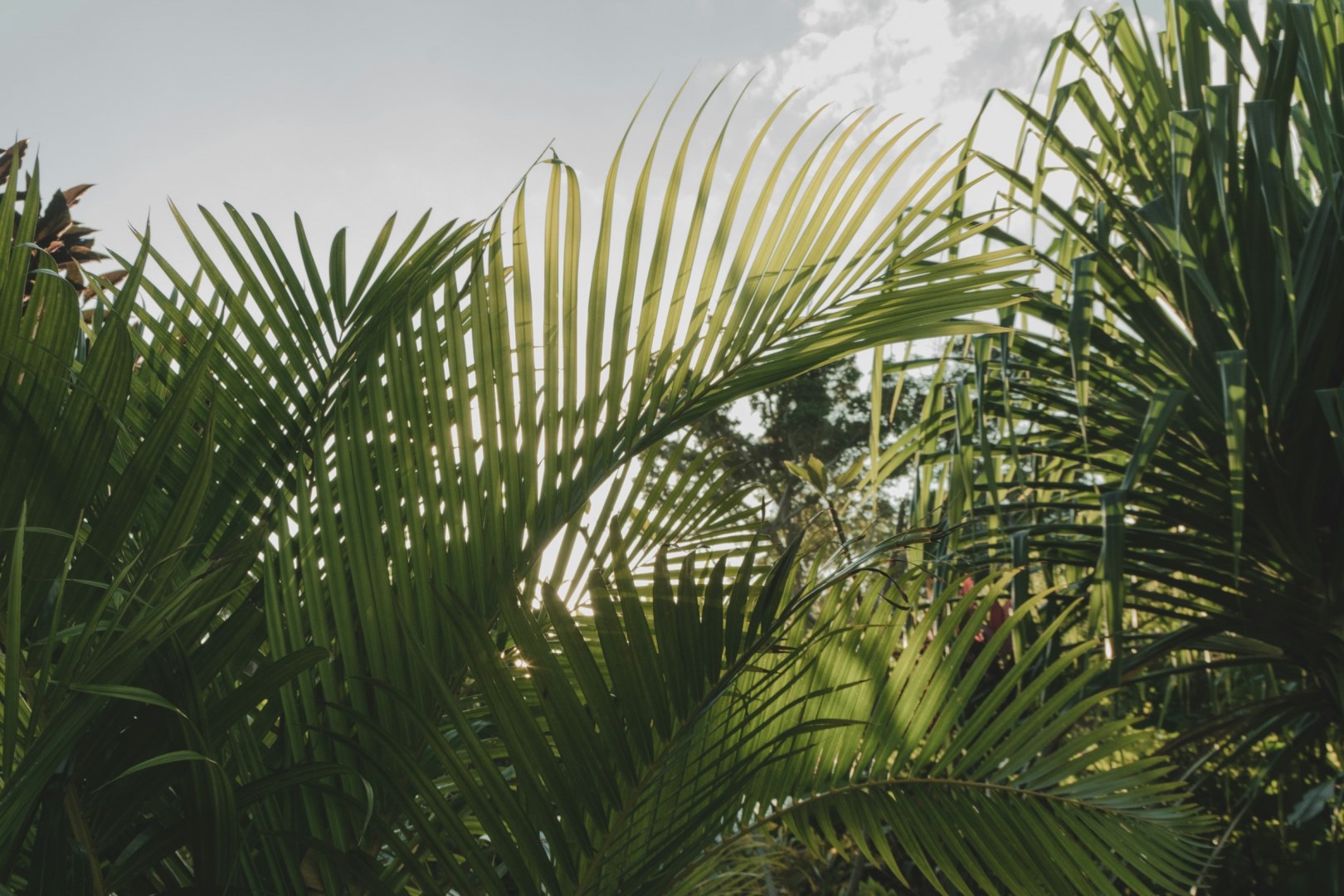
Luganville is Vanuatu’s second-largest town and the main urban center of Espiritu Santo, the country’s largest island. It stretches along the south coast of the Segond Channel, with roads, shops, markets, small businesses, and waterfront communities forming the center of daily life. The town developed around its harbor and remains closely connected with fishing, agriculture, and tourism. Its location makes Luganville a practical base for exploring Santo, with freshwater blue holes, beaches, villages, forests, and historic sites accessible from town. Aore Island lies just offshore, while the wider Sanma Province extends across several islands.
Luganville and surrounding Santo have strong connections with Ni-Vanuatu kastom, or customary traditions. Cultural experiences around the town can include traditional dance, kava preparation, weaving, wood carving, and sand drawing, an art form particularly associated with Vanuatu. Santo’s communities also preserve distinctive local knowledge about plants, food, and customary practices. The region has another important historical layer from its role as a major Allied military base during the Pacific War. Remnants of that period remain around Luganville, including wartime equipment, roads, and the underwater wreck of the SS President Coolidge.
The coastline and countryside around Luganville provide access to several distinctive natural sites. Matevulu, Riri, and Nanda are freshwater blue holes fed by underground springs and surrounded by tropical vegetation. Million Dollar Point, near town, is an underwater site where wartime military equipment was left in the sea and is now visited by divers. The SS President Coolidge, resting in the Segond Channel, is another major diving site. Inland, the Millennium Cave offers a combination of trekking, cave exploration, river crossings, and canyoning. Farther north, beaches and coastal settlements extend along Santo’s scenic shoreline.
Local food in Luganville reflects Santo’s agricultural and coastal resources, with fresh fish, seafood, tropical fruit, root vegetables, coconut, and locally grown spices appearing in markets and restaurants. Kava is an important part of social life and is traditionally prepared from the roots of the kava plant. Cultural tours may also introduce visitors to aelan kaikai, the local term for island food. Santo is particularly associated with beef production, while copra, cocoa, vanilla, and other agricultural products contribute to the regional economy. Luganville’s markets provide a useful view of how these products connect rural communities with the town.